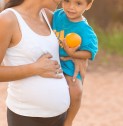
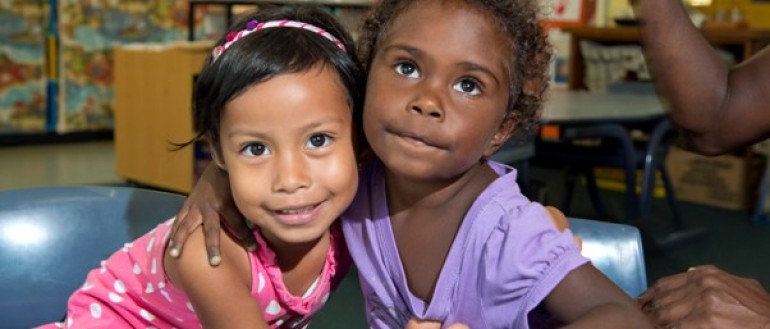
Worldwide, pregnant women and children have the highest rates of anaemia. In the Northern Territory (NT), 15% of pregnant women and up to 25% of children aged 0-5 years are anaemic.
Anaemia is associated with adverse effects on physical and cognitive development in the early years and reducing potential for educational attainment and employment in later years.
The National Child Health Care Report (2012-2013) and the Trends over Time: Key Indicator of Priority Evidence-Practice Gaps in Child Health (2007-2013) indicate that the best practice guidelines for anaemia screening, treatment and follow-up are poorly implemented and have not improved over time.
Our research focus:
- To conduct quantitative and qualitative studies to determine community member and health practitioner anaemia knowledge, barriers to the implementation and uptake of best practice guidelines and acceptability and quality of new and existing data collection tools.
Our research impact:
- Community members had a good knowledge of childhood anaemia including the causes, symptoms and treatments, with diet as the main focus for preventative and curative measures.
- Health practitioners had a varied level of knowledge about anaemia which in general was reflective of the position they held in the health service.
- Barriers to the implementation and uptake of anaemia best practice guidelines were multifactorial and included: anaemia knowledge and use of electronic health records. Further exploration with health practitioners and community members is required to determine how often they believe iron rich foods should be consumed and what the barriers are to accessing these foods.
- The use of cameras and video recording devices was an acceptable dietary collection tool to use with young children. The data completeness and quality improved when used in conjunction with a written transcript and discussion with the care giver.
- Community members and health practitioners were comfortable discussing anaemia knowledge in focus groups or individual interviews.
Key staff:
- Thérèse Kearns
- Selma Liberato
- Felicity Ward
- Leanne Bundhula Dhurrkay
- Roslyn Gundjirryirr
- George Gurruwiwi
- Stefanie Puszka
Collaborators:
-
Miwatj Health Aboriginal Corporation
Current projects:
- Childhood Anaemia – Knowledge and Resource Development Project
- Building capacity to evaluate and monitor dietary intake at remote communities
- Anaemia Evaluation
Past projects:
- Kearns, T., Ward, F., Puszka, S., Gundjirryirr, R., Moss, B. & Bailie, R. (2017). Anaemia Health Literacy of Community Members and Health Practitioners Knowledge of Best Practice Guidelines in a Remote Australian Aboriginal Community. Universal Journal of Public Health, 5(1):32-9. doi: 10.13189/ujph.2017.050105.
- Liberato, S.C., Kearns, T., Ward, F. & Brimblecombe, J. (2016). Use of electronic visual recording to aid assessment of dietary intake of Australian Aboriginal children living in remote communities? Aust NZ J Public Health, 40(s1), s27-s29. Online.
- Kearns, T., Liberato, S. & Ward, F. (2014). Childhood Anaemia – Knowledge and Resource Development Project Report. Menzies School of Health Research.