
.jpg&w=770&h=329)
Trevor Riley, Victoria Thanasos, Amin Islam and Alan Cass
Trevor Riley, Victoria Thanasos, Amin Islam and Alan Cass
The Fakhrul Islam Scholarship is an annual award Menzies’ launched in 2024, aimed at supporting students pursuing a PhD or Masters at Menzies in the areas of renal disease or diabetes.
The scholarship provides recipients with various opportunities to enhance their research and professional development. These include enrolling in research training courses, attending and presenting at national or international conferences, building networks and collaborations in their field, participating in industry internships, and even supplementing their living expenses.
This prestigious scholarship is made possible by the generosity of Amin Islam, in honour of his father, Fakhrul Islam.
2025 Recipient:
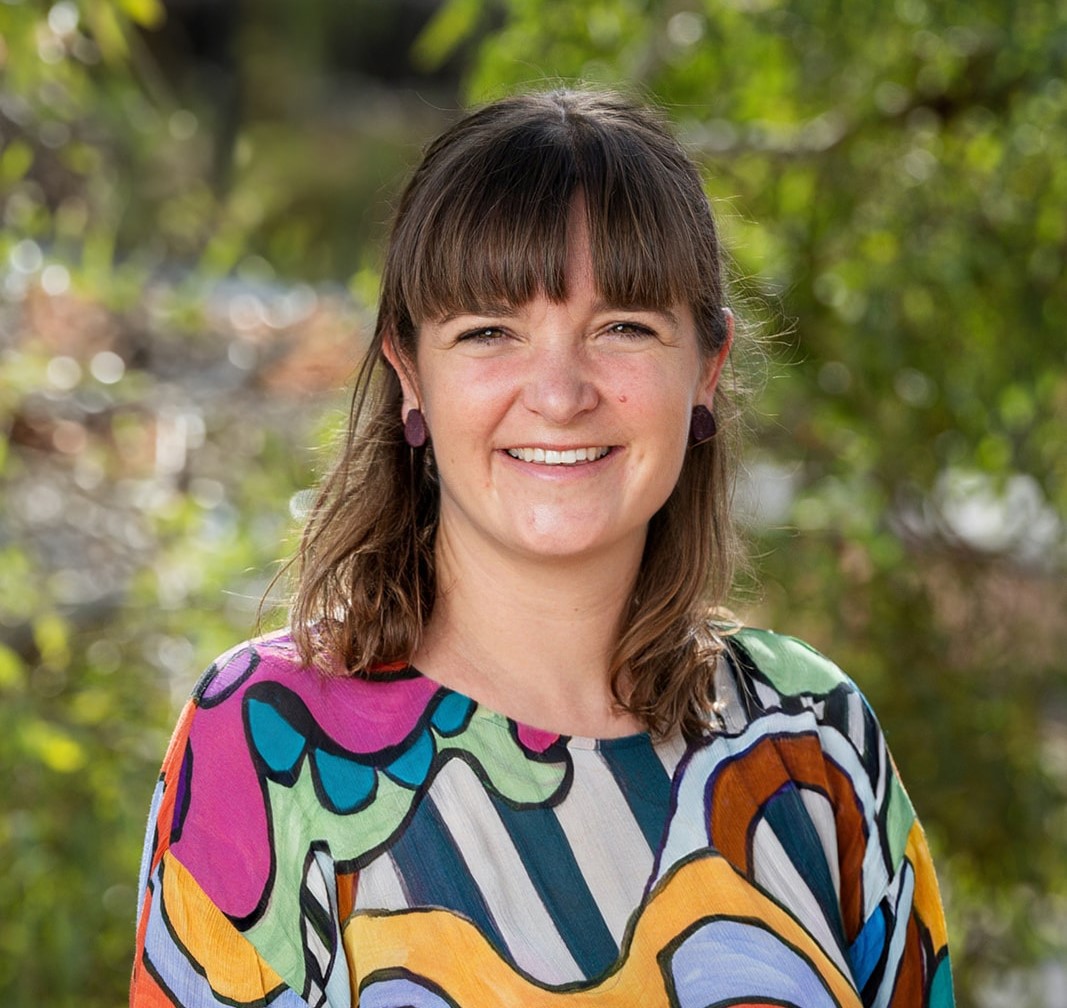 Emma Weaver
Emma Weaver’s PhD focuses on improving strategies to support Aboriginal and Torres Strait Islander children and young people in preventing and managing type 2 diabetes.
Alongside her PhD, Emma is the lead evaluator of the Merne Mwerre Artweye Areye-ka (MMAA) program — a community-led, family-based diabetes prevention initiative delivered across ten Central Australian communities, in collaboration with Central Australian Aboriginal Congress. The program was created in response to urgent calls for action, following evidence that Central Australia has the highest documented prevalence of youth-onset type 2 diabetes in the world.
This scholarship will support Emma to present her research findings at an international diabetes conference next year, as she works towards her aspirations on being an international leader in diabetes prevention and evaluation strategies.
2024 Recipient:
 Victoria Thanasos
Victoria Thanasos’s research focuses on the implementation and impact of Patient Reported Outcome Measures (PROMs) and wellbeing indicators for First Nations haemodialysis patients in the Northern Territory. Building on a previous study, it aims to explore patient and healthcare provider experiences with the What Matters 2 Adults (WM2A) Wellbeing Measure Tool. The study investigates the appropriateness of PROMs for First Nations renal patients, their practical application, and their impact on patient care and service delivery.
This scholarship allows Victoria to expand her research beyond Darwin by engaging First Nations haemodialysis patients in Alice Springs and Katherine, and potentially those receiving nurse-supported dialysis in remote communities. Collaborating with this cohort is a valuable strategy to create a more comprehensive data set, enhancing the quality and impact of the research.
Broadening the scope of the research would provide Victoria with a unique training opportunity as an early-career researcher and support to develop research skills, progress her career, and accelerate research translation. This has the potential to improve renal services and/or health systems.