
Investigators:
- Chief investigator, Professor Anna Ralph (Menzies)
- Associate Professor Vicki Krause (DoH Director Centre for Disease Control)
- Angela Kelly (Menzies)
- Heather D'Antoine (Menzies)
- Anne-Marie Lee (Chair Sunrise Health Board)
- Vicki Wade (RHD Australia)
- Vicki Kerrigan (Menzies)
- Hilary Bloomfield (Manager RHD Program Top End Health Service)
- Marea Fittock (DoH)
- Christine Fitzgerald (NT Department of Housing and Community Development)
- John Havnen (NACCHO)
- Dr Rosemary Wyber (Telethon Kids Institute)
Funders:
- BUPA Health Foundation
- END RHD Centre of Research Excellence NHMRC 1080401
- Telethon Kids Institute
- Heart Foundation (Vanguard Grant)
Collaborators:
- Community clinics
- Sunrise Health
- Tiwi Land Council
- RHDAustralia
- NT Department of Health
- Telethon Kids Institute






Aims:
- To stop recurrences of rheumatic fever and develop strategies to reduce Streptococcal A infections in households where someone who has had rheumatic fever lives.
Objectives:
- Patients and their households will be supported to establish ‘Strep-free zones’ by exploring the roles of crowding, functioning health hardware and early recognition and treatment of sore throats and skin sores.
Summary:
- Children and young adults with rheumatic fever need long-term penicillin injections, called secondary prophylaxis (SP). However, this is not enough to stop rheumatic fever recurrences that may lead to permanent heart damage, since not everyone can get every needle on time every 28 days for years on end. This project adds a ‘plus’ to the standard secondary prophylaxis by adding another layer of prevention that will address streptococcal infections at their source.
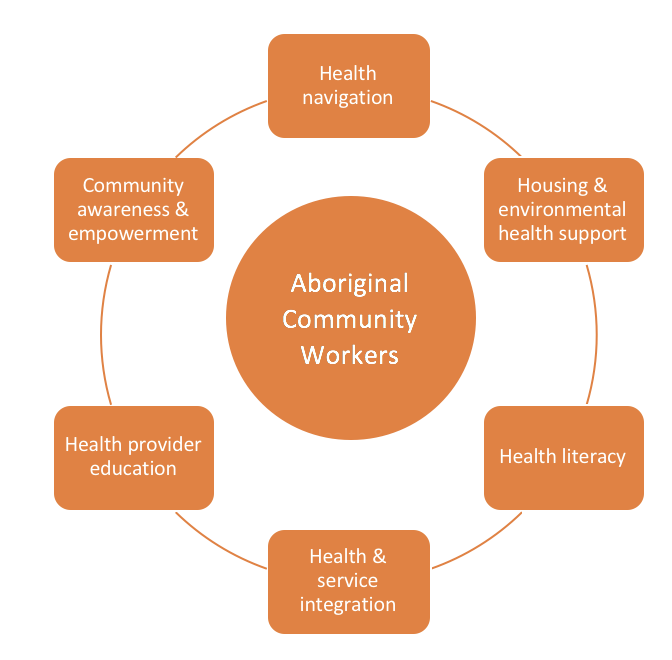
- Activities of the project occur in six primary domains. Central to the project is the role of Aboriginal Community Workers, employed through Menzies, who support and develop partnerships with RHD clients and their families.
Implications for policy and practice:
- This is a pilot feasibility study which will run in selected communities in the NT’s Top End over 12 months and explores the role of local Care Navigators at the community level.
Chief investigator:
Project manager:
Contact information:
- Email Angela Kelly or phone (08) 8946 8653
Project dates:
- August 2017 – September 2021